What Car Key Programming Actually Involves — and Why It Matters
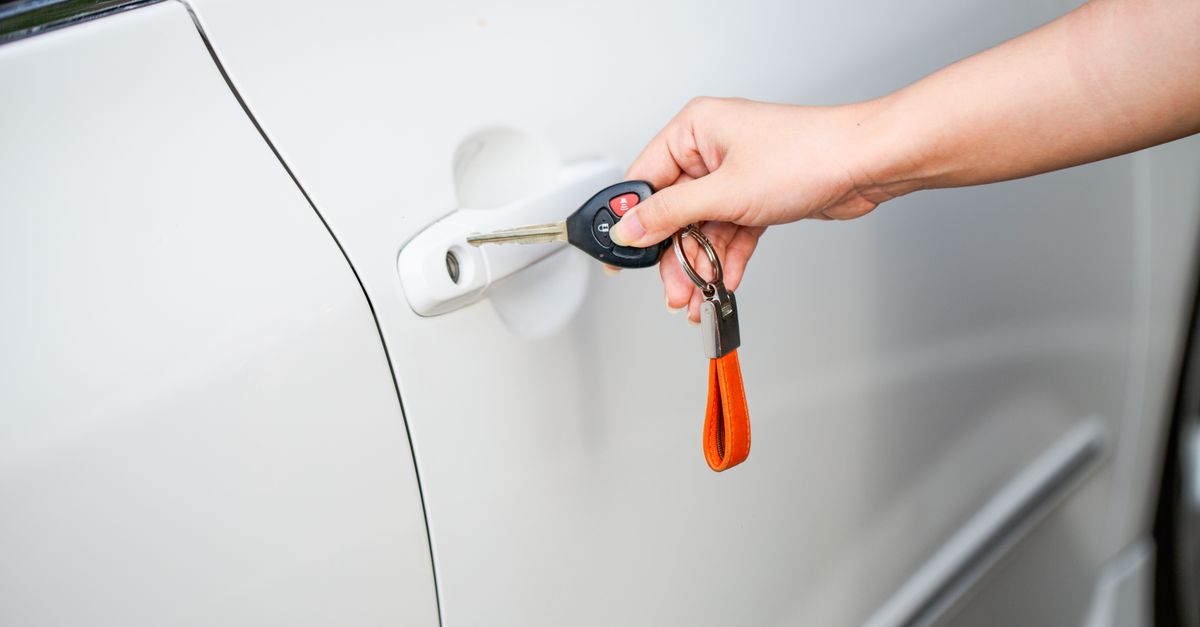
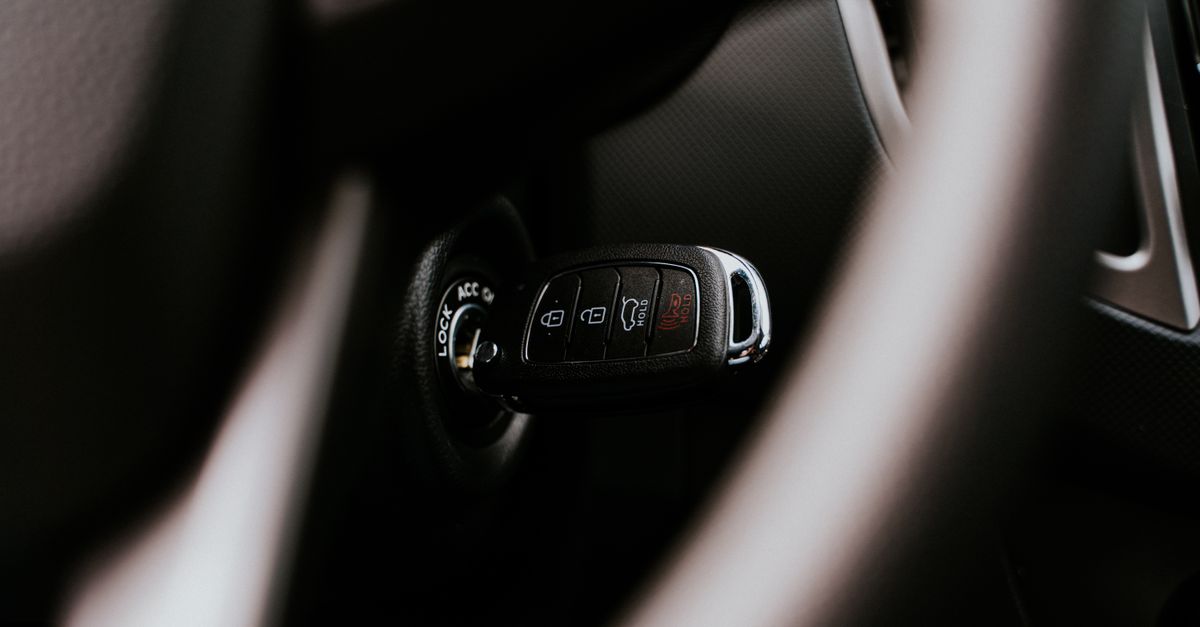
A transponder key contains a small electronic chip embedded in the plastic head. When you insert it or bring it near the ignition, the vehicle's immobilizer system sends a radio frequency signal and waits for the chip to respond with a matching code. If that code isn't present or doesn't match, the engine will not start — even if the mechanical cut of the key blade is perfect. Key fobs work on a similar principle: the remote's rolling-code signal must be paired to the vehicle's body control module before it can lock, unlock, or trigger remote start functions. Programming these components requires specialized diagnostic tools that communicate directly with the vehicle's OBD-II port and, in some cases, with the immobilizer module separately.
This is exactly the kind of work our technicians perform on-site, every day, across Rockaway and the surrounding Morris County communities. We handle transponder key programming, smart key proximity pairing, push-to-start key fob setup, lost-key scenarios where all keys must be erased and new ones enrolled, and duplicate key creation where at least one working key remains. The process is non-invasive — we work through the vehicle's own software systems and aim to complete every job damage-free, without tampering with door panels, steering columns, or ignition hardware beyond what the programming procedure requires.